Localisation:
Molenbeek
Urban planning programme:
1 associative space; 2 two-bedroom flats; 1 four-bedroom duplex
Surface:
620m²
Partner(s):
L'Ilot; Projet Lama; La Rue; Logement pour Tous
Target audience:
Families affected by homelessness; Association
PEB:
C
Project presentation
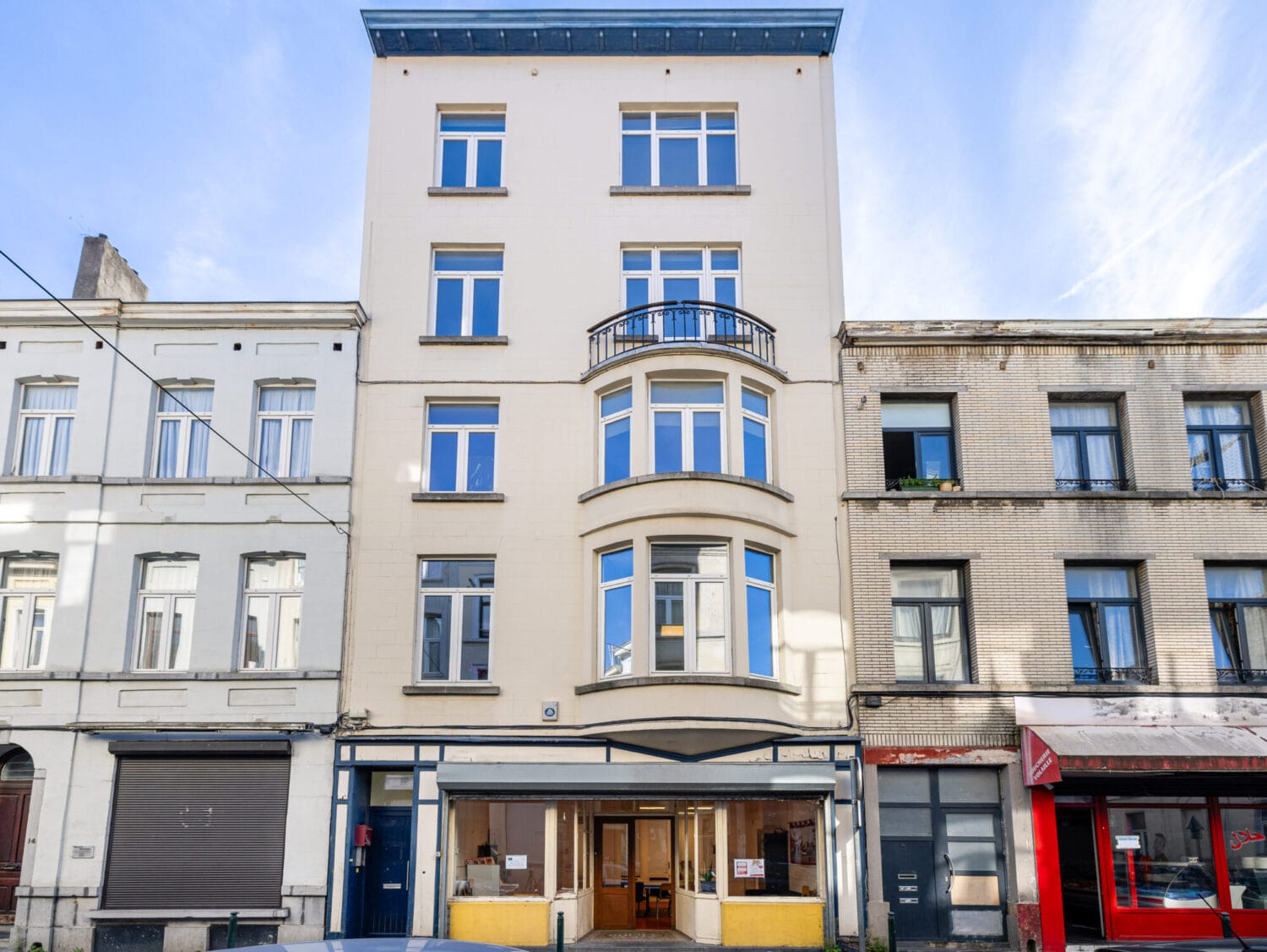
The 620 m² building, located in the heart of Molenbeek, is currently two-thirds vacant.
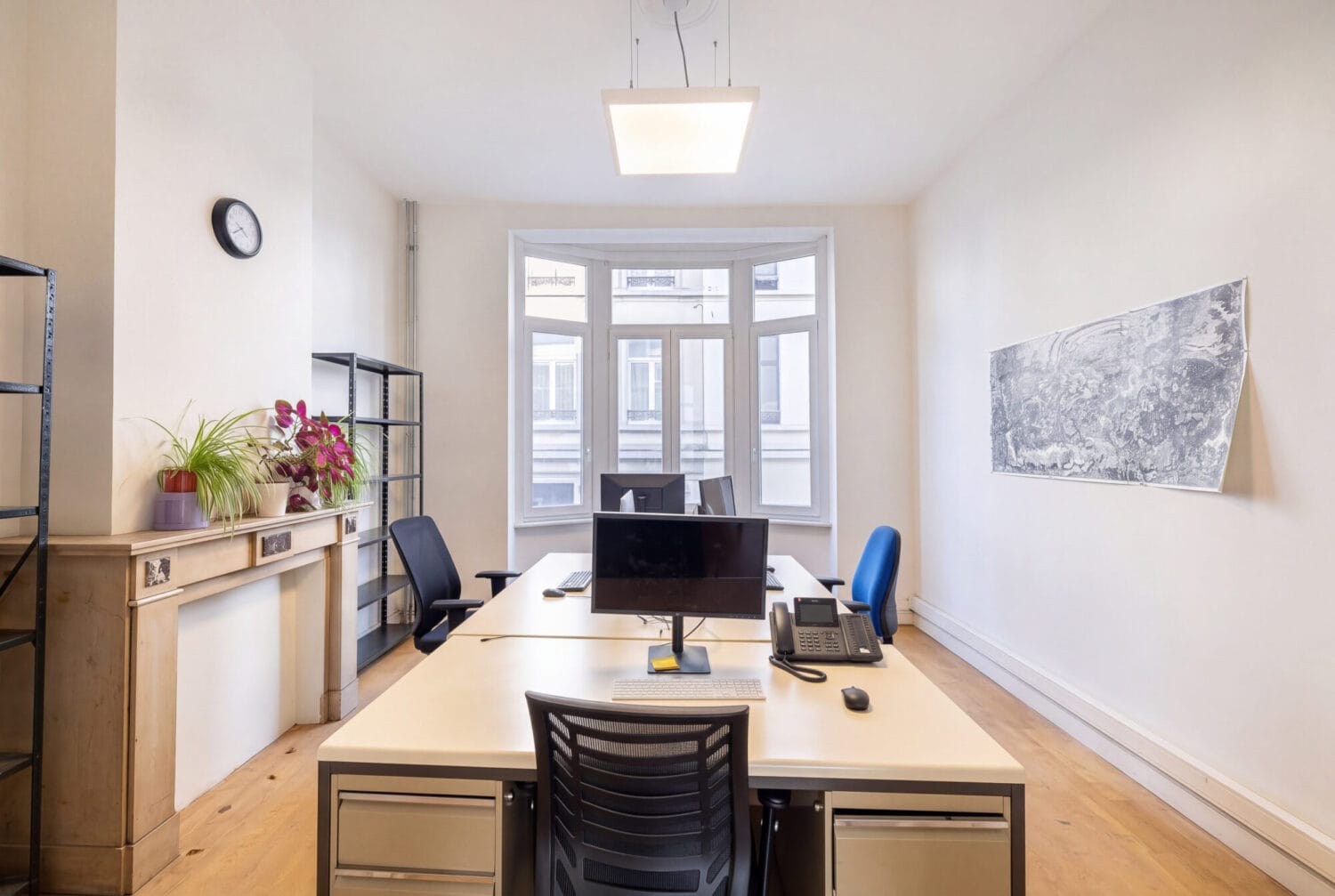
The ground floor and first floor have been occupied for several years by La Rue(opens in new tab), a lifelong learning association active in the municipality; the other four floors mainly consist of vacant offices and storage spaces.
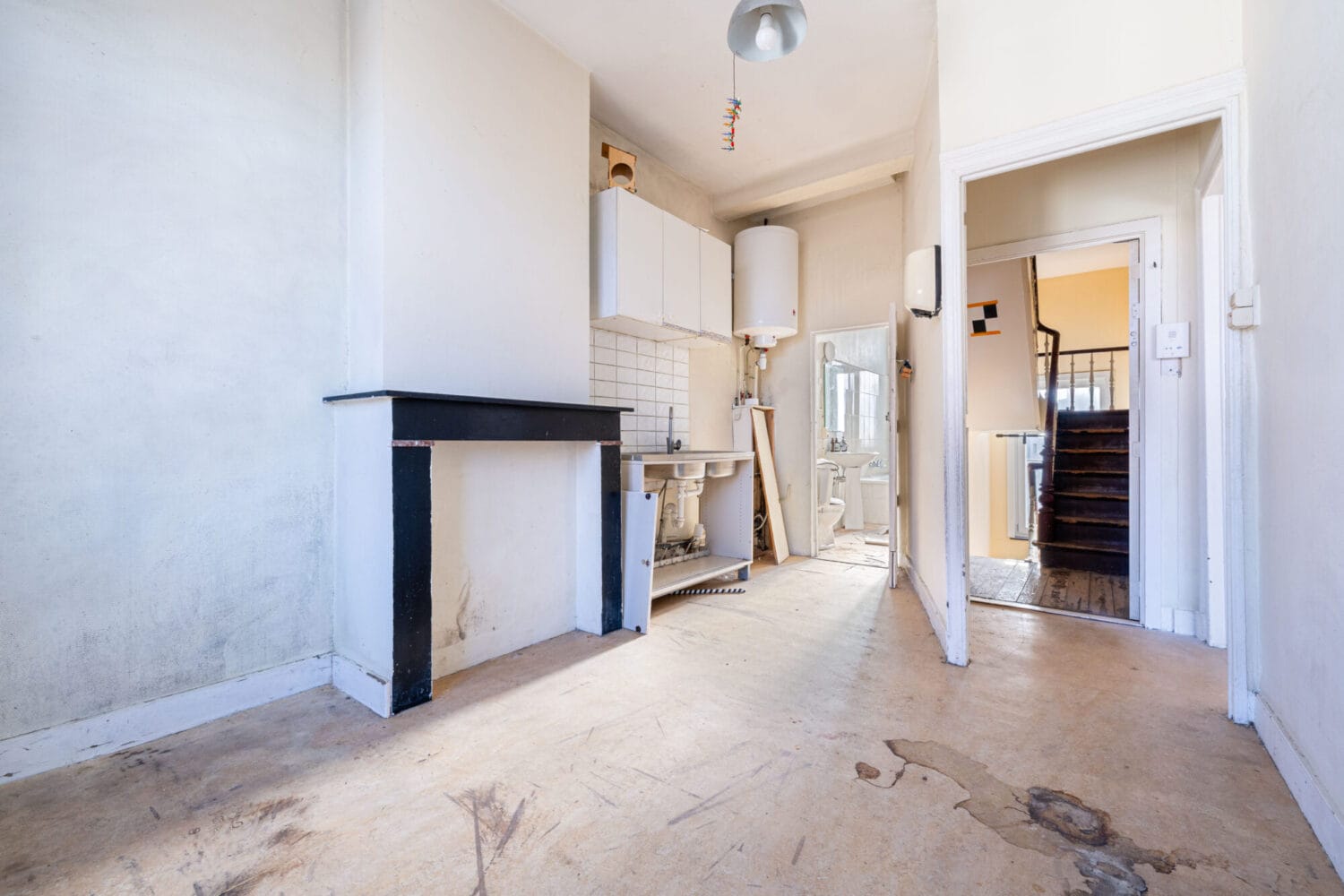
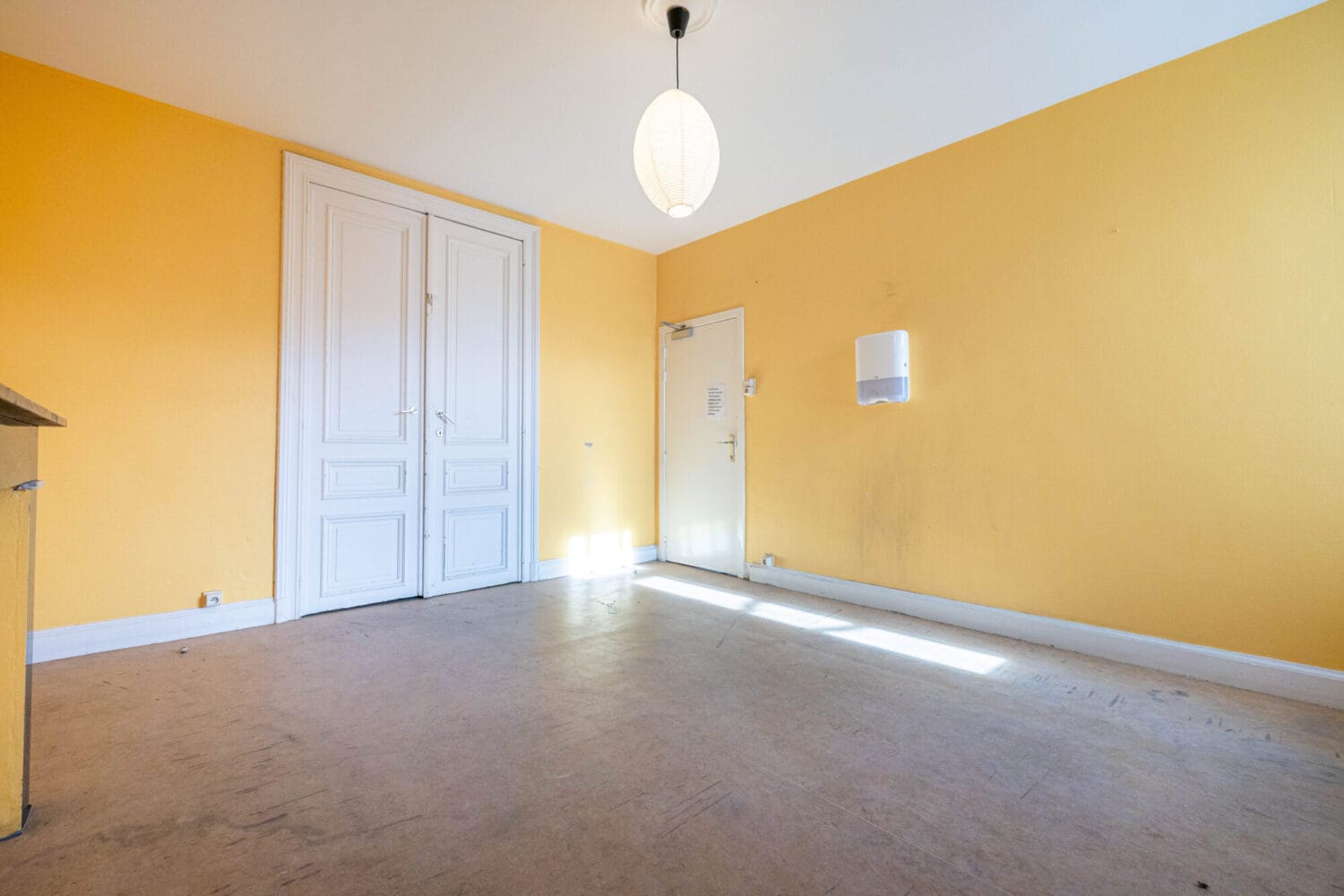
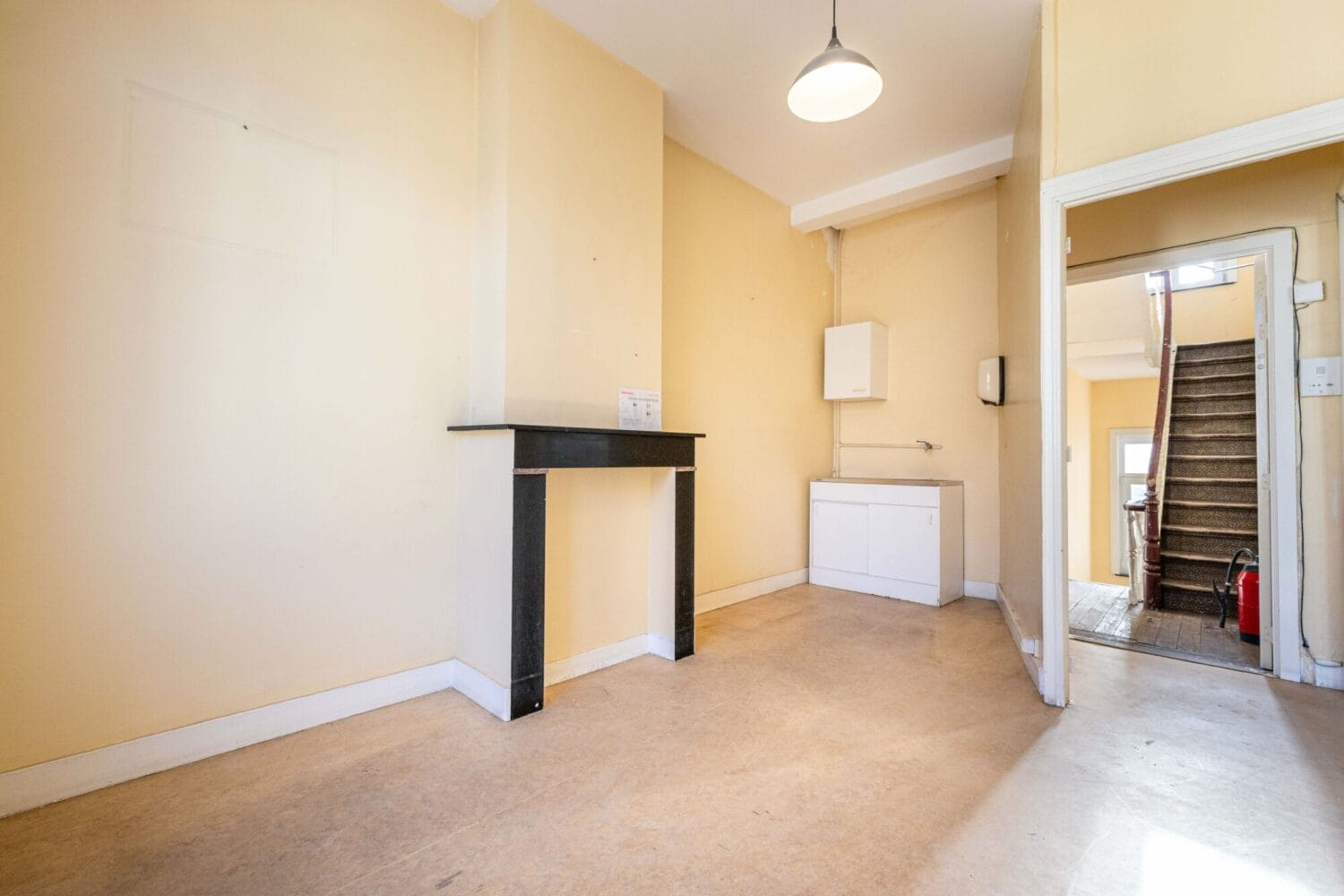
The current unoccupied areas will be entirely converted into housing.
Two two-bedroom flats, each measuring 95 m², will be created on the second and third floors. They will be allocated via L’Ilot’s Housing Acquisition Unit(opens in new tab) to families moving out of homelessness, referred by local services. They will be able to receive home-based support if they ask for it, and L’Ilot’s Housing Settlement Service will support their move-in, especially for furnishing and logistics.
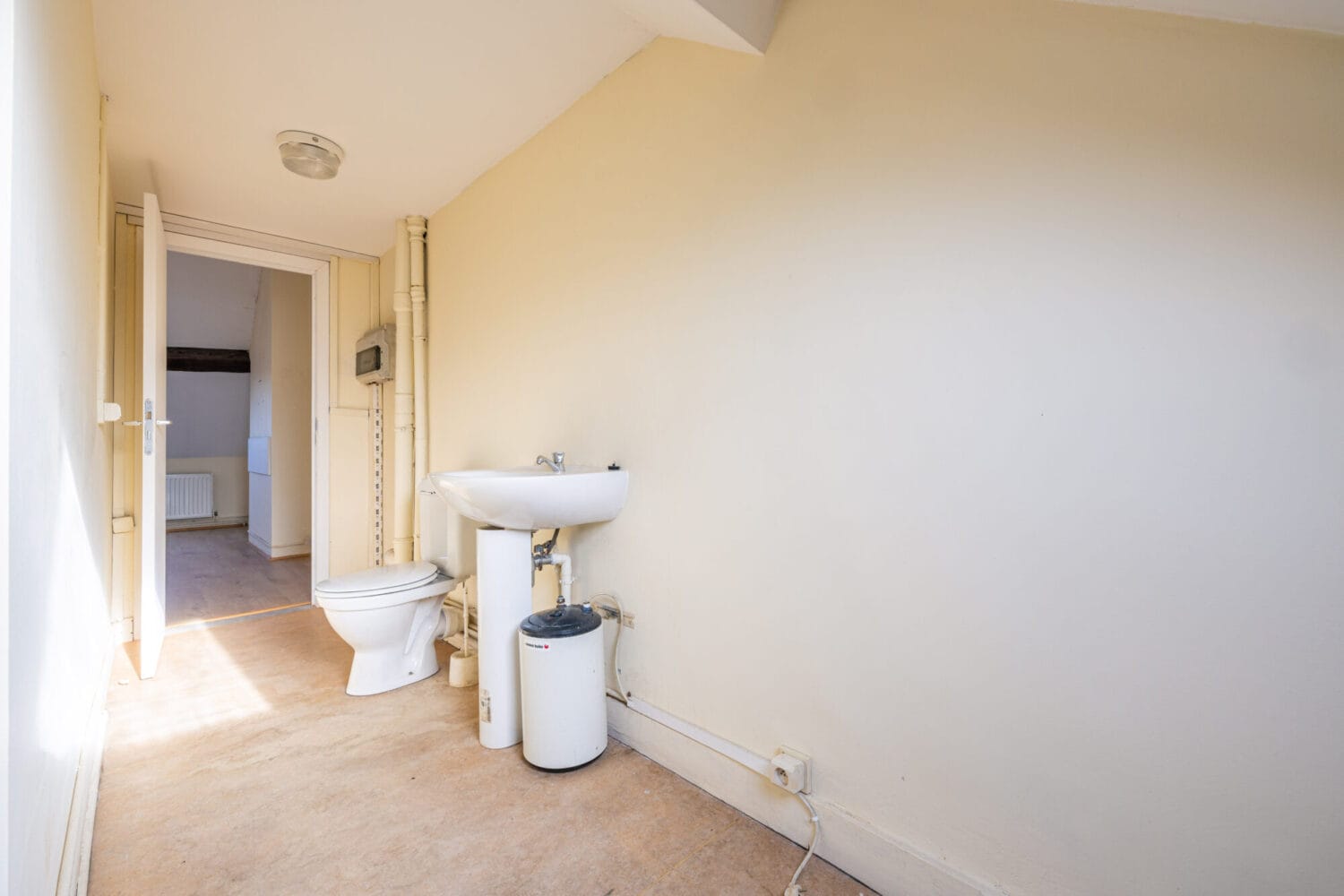
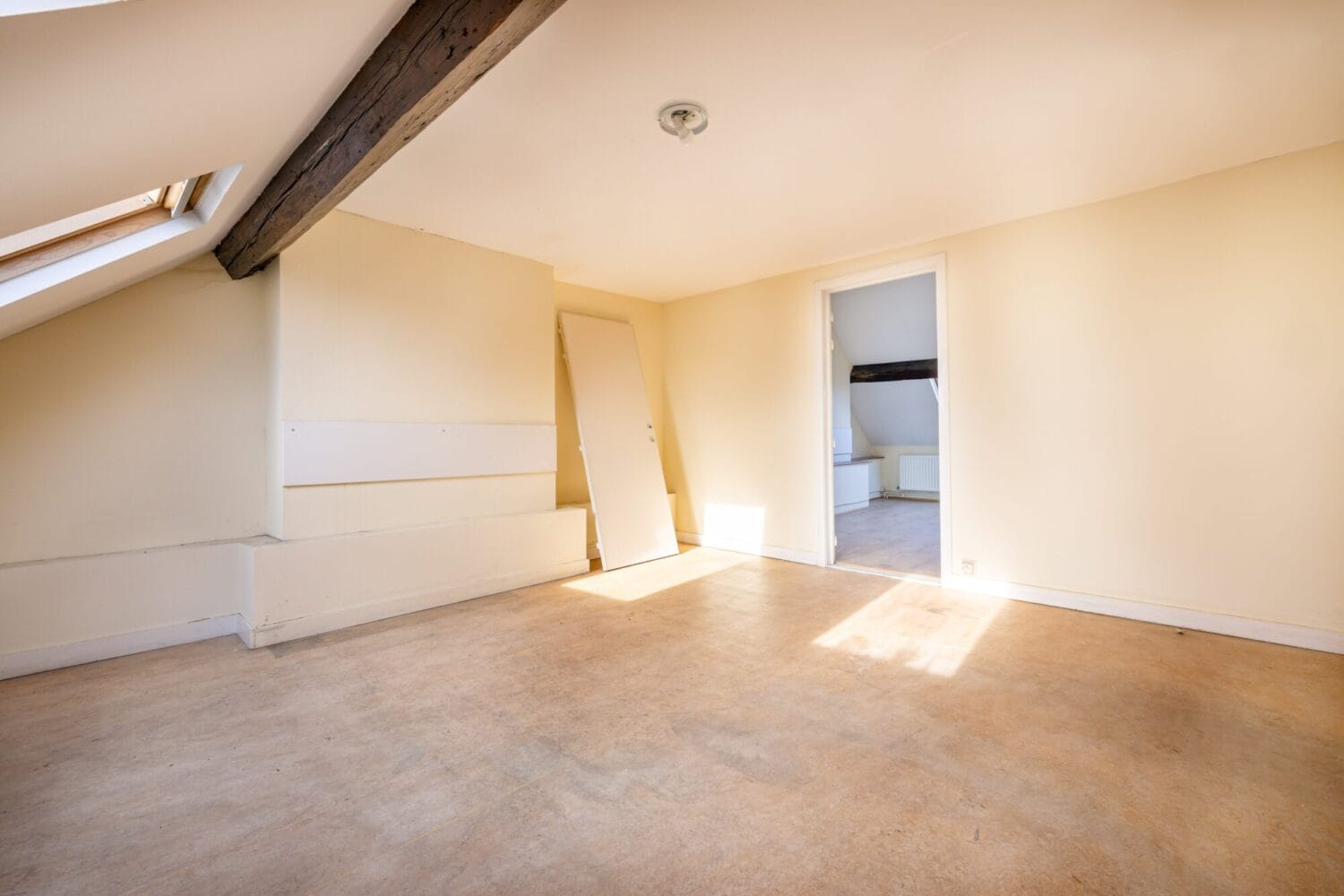
A four-bedroom 150 m² duplex will be fitted out on the top two floors under the roof to accommodate large and/or single-parent families. La Rue will propose candidates, who will be able to stay on a temporary basis for 18 months, with the possibility of subsequently moving onto a standard tenancy agreement.
The rental management of the entire property will be handled by the Logement pour Tous(opens in new tab) Social Housing Agency.
In total, 65 per cent of the building’s floor space, which is currently unused, will be repurposed for social and residential use.
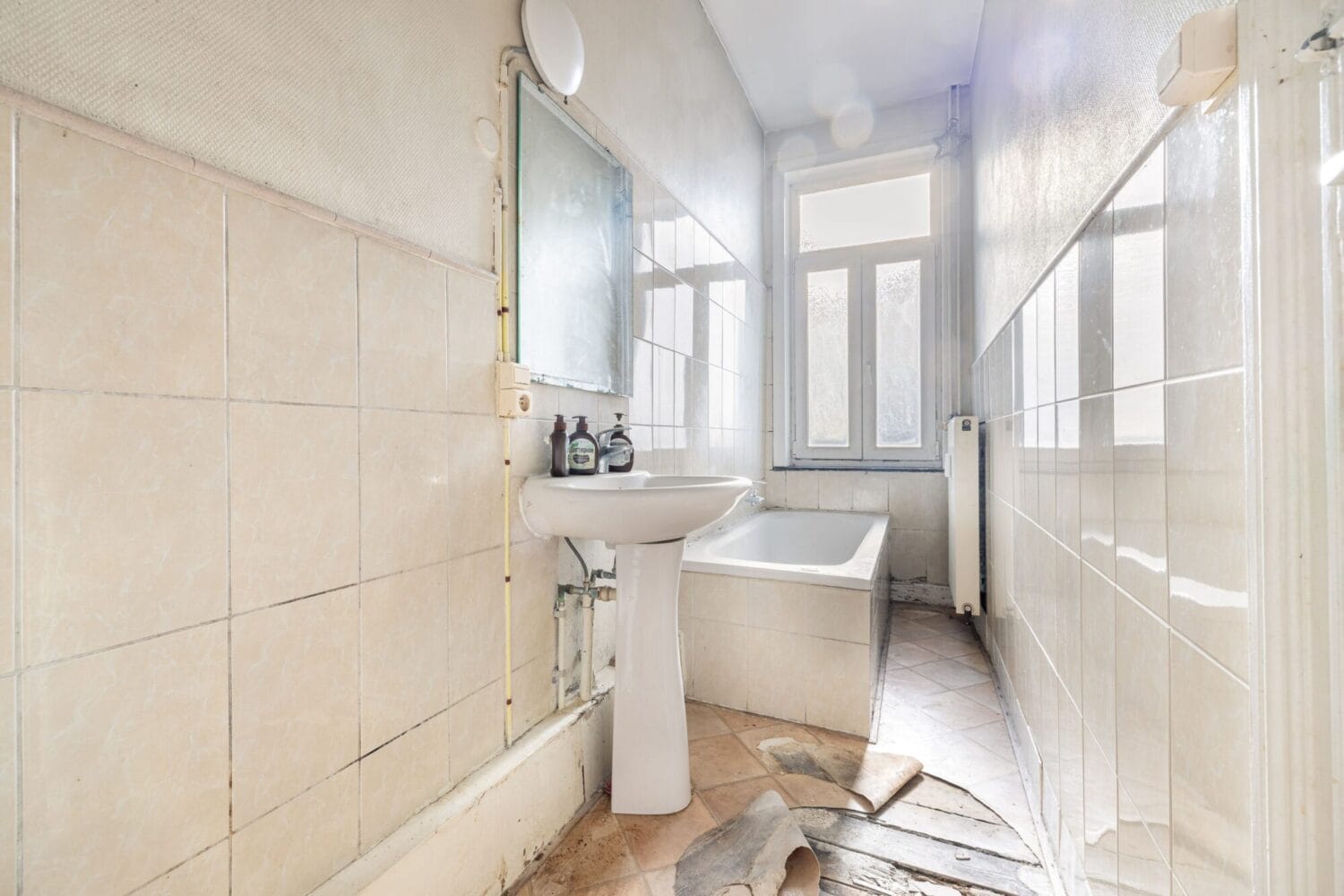
The building is structurally sound, but its energy performance and internal layout require extensive refurbishment.
The works, entrusted to the architectural practice RYA, will involve converting the offices into housing, reconfiguring the spaces and installing insulation. The aim is to improve the building’s energy performance rating from PEB G to PEB C, prioritising the reuse of materials wherever possible.
This renovation should help to minimise maintenance requirements in the medium term and reduce energy costs for future occupants.
The role of Fair Ground Brussels
Projet Lama(opens in new tab), the owner of the building, wished to sell the property while maintaining its social purpose. The organisation transferred the property to Fair Ground Brussels at a preferential price, thereby foregoing part of the potential capital gain.
La Rue has invested its available budget in the form of supporter shares(opens in new tab) in the Fair Ground Brussels cooperative. Its own resources thus contribute to the financing of the project, and the association becomes a co-shareholder in the organisation that owns the property. A renewable 9-year tenancy agreement has been concluded, with a non-index-linked rent for ten years. The association thus retains its premises and its location in the heart of Molenbeek, whilst at the same time benefiting from greater clarity regarding its long-term property costs.
Fair Ground Brussels provided the equity required for the transaction, which was further bolstered by several donations and loans from the King Baudouin Foundation(opens in new tab) and Brusoc(opens in new tab), a subsidiary of Finance.Brussels.
Fair Ground’s public-benefit foundation has acquired the property. More specifically the land and its land value. It is thus irreversibly removed from the market: the land value of the property can no longer lead to speculative capital gains, nor be passed on in the residents’ rents.
The project on Ransfort illustrates what becomes possible when social actors are prepared to move away from a competitive mindset : a building permanently removed from the speculative market, an association firmly rooted in its neighbourhood, a renovated building, and three homes for families who previously had none.
None of these actors could have achieved this result on their own. For Fair Ground Brussels, this initiative exemplifies the cooperative’s mission: to pool existing resources in order to gradually remove buildings from the speculative market and put them at the service of social needs in Brussels on a sustainable basis.